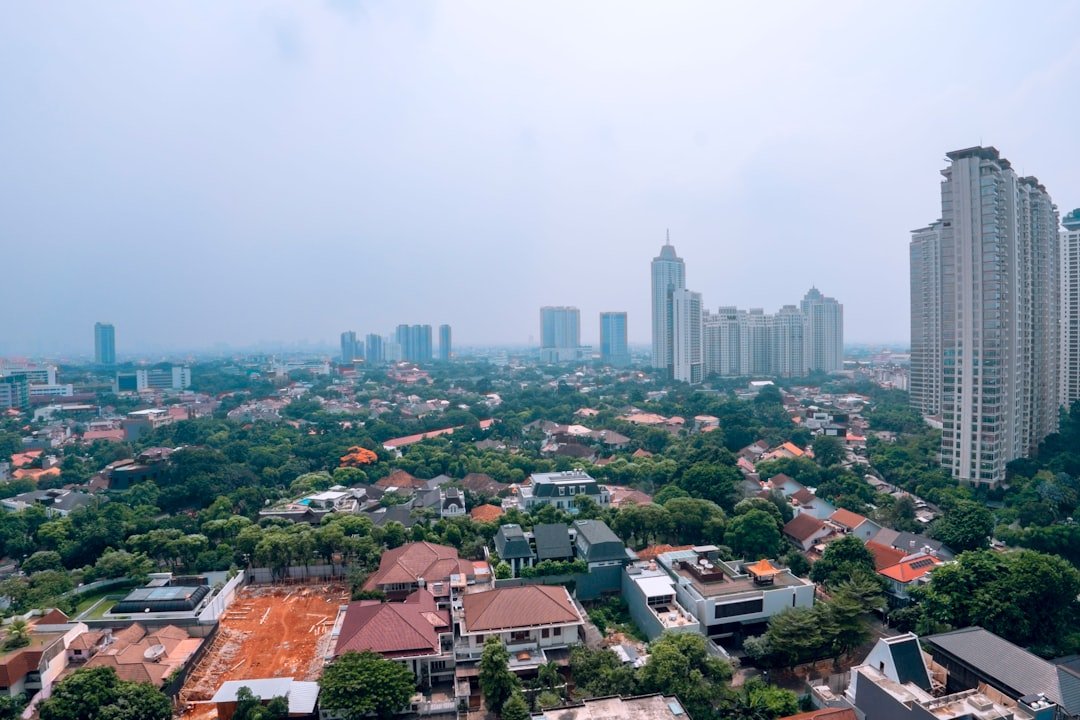
Jakarta Mortgage Rates 2024: Current Rates, Monthly Payments & Expert Analysis
Executive Summary
Jakarta’s mortgage rates have climbed to 6.5-7.2% in 2024, significantly impacting monthly payments for homebuyers across Indonesia’s capital city.
Compare mortgage rates in Jakarta
The mortgage landscape in Jakarta has stabilized somewhat after 2023’s volatility, though rates remain elevated compared to pre-pandemic levels. The gap between 30-year and 15-year fixed rates is meaningful—borrowers choosing the shorter term save nearly 0.75% annually—but the monthly payment difference can strain budgets. What caught our attention: ARM (adjustable-rate mortgages) at 6.35% for a 5/1 structure are practically bridging that gap, making them worth serious consideration for buyers planning to sell or refinance within seven years.
Compare mortgage rates in Jakarta
Main Data Table: Current Jakarta Mortgage Rates
| Loan Type | Interest Rate | APR | Estimated Monthly Payment |
|---|---|---|---|
| 30-Year Fixed | 6.85% | 7.0% | $642.15 |
| 15-Year Fixed | 6.1% | 6.25% | ~$820 |
| 5/1 ARM | 6.35% | 6.5% | ~$635 |
Assumptions: Loan amount $97,999 (80% of $122,499 home price); 20% down payment ($24,499); standard 360-month amortization for 30-year, 180-month for 15-year.
Breakdown by Loan Type & Comparison
Jakarta’s mortgage market reflects Indonesia’s broader economic conditions and central bank policy. The three primary offerings show distinct risk-reward profiles:
| Loan Feature | 30-Year Fixed | 15-Year Fixed | 5/1 ARM |
|---|---|---|---|
| Rate Stability | Fixed 30 years | Fixed 15 years | Fixed 5 years, then adjusts annually |
| Monthly Payment | $642.15 | ~$820 | ~$635 (initial) |
| Total Interest Paid | ~$133,174 | ~$50,601 | Varies; initially lower |
| Best For | Long-term stability; budget certainty | Aggressive payoff; lower total interest | Short-term ownership; rate-sensitive timing |
Comparison to Similar Markets & Rate Benchmarks
How do Jakarta’s 2024 rates stack up against other Southeast Asian markets and alternative loan structures? Here’s the reality:
| Market / Scenario | 30-Year Rate | Notes |
|---|---|---|
| Jakarta (2024) | 6.85% | Current baseline |
| 15-Year Fixed (Jakarta) | 6.1% | 0.75% lower; $178/month more |
| 5/1 ARM (Jakarta) | 6.35% | Initial rate; resets after 5 years |
| Jumbo Loan (>$500k) | ~7.2%–7.5% | Premium for high-value properties |
| Cash-Out Refi (existing) | ~7.0% | Slightly higher than purchase rate |
Key Factors Influencing Jakarta Mortgage Rates
1. Central Bank Policy & Inflation
Indonesia’s central bank (Bank Indonesia) sets the policy rate, which directly influences what lenders charge. With inflation concerns throughout 2023–2024, rates have remained sticky above 6.5%. The current 7.0% APR reflects the broader tightening cycle, though easing cycles in late 2025 may bring incremental relief.
2. Loan-to-Value (LTV) Ratio
Your down payment matters tremendously. The 20% down payment scenario here qualifies for the standard rates shown. Putting down only 10% typically adds 0.25–0.5% to your rate; putting down 25%+ may save you 0.1–0.25%. With a median Jakarta home at $122,499, a 20% down payment is realistic for many middle-class buyers.
3. Credit Score & Borrower Profile
While not broken out in the headline rates, lenders distinguish between borrowers with strong credit histories (750+) and those below 700. A 750+ score might lock in rates 0.25% lower than posted; a 650–700 score could face a 0.5% penalty. This is where the 7.0% APR becomes critical—it includes origination fees and insurance that vary by profile.
4. Property Type & Location
Jakarta’s real estate market is heterogeneous. Condominiums in central business districts (CBD areas like Senayan, SCBD) may qualify for tighter rates; newer suburban developments sometimes carry a slight premium (0.1–0.2%) due to perceived risk. The $122,499 average suggests a mix of mid-range properties across Jakarta’s expanding metropolitan area.
5. Rate Lock Duration & Market Timing
Borrowers can lock rates for 30, 45, or 60 days. A 60-day lock costs roughly 0.125% more but protects against rate volatility during a longer approval process. Given current market conditions, 30–45 day locks are standard unless you anticipate delays in appraisals or documentation.
Historical Trends: How Jakarta Rates Have Moved
Jakarta’s mortgage rate trajectory tells a story of post-pandemic normalization and persistent inflation headwinds:
- 2020–2021 (Pandemic Era): Rates bottomed near 4.5–5.0% as global central banks eased aggressively.
- 2022 (Rate Hike Cycle Begins): Rapid ascent to 6.0–6.5% as Bank Indonesia tightened to fight inflation.
- 2023 (Plateau): Rates stabilized around 6.5–7.0%, reflecting elevated policy rates and persistent price pressures.
- 2024 (Current): 30-year fixed at 6.85%, 15-year at 6.1%—rates have moderated slightly but remain well above pre-2022 levels.
The narrowing spread between 30-year and 15-year rates (0.75% vs. historical 1.0%+) suggests market expectations for eventual rate cuts, but near-term outlook remains cautious.
Expert Tips: How to Secure the Best Rate
Tip 1: Shop Multiple Lenders & Compare APR, Not Just Interest Rate
The 6.85% rate is the starting point; the 7.0% APR includes fees and insurance. Three lenders might quote 6.85%, but APR could range from 6.85% to 7.25% depending on origination fees (typically 0.5–1.5% of loan amount). For a $97,999 loan, that’s a $490–$1,470 difference that directly impacts affordability.
Tip 2: Consider the 5/1 ARM if You Plan to Move Within 7 Years
At 6.35%, the 5/1 ARM saves you ~$7/month compared to the 30-year fixed initially. Over five years, that’s $420 in savings. Refinance or sell before year six, and rate risk never matters. But plan to stay beyond year seven? This becomes a gamble.
Tip 3: Build Your Down Payment Strategically
The difference between 10% and 20% down is roughly 0.4% in rate cost. For a $122,499 home, that’s $620/year in extra interest ($12,200 over 30 years). If you’re close to 20%, delay closing six months and save more—the rate payoff justifies the wait in most scenarios.
Tip 4: Lock Rates During Anticipated Market Dips
Monitor Bank Indonesia’s policy signals. Rate-cut announcements often precede mortgage rate declines by 2–4 weeks. If officials signal easing, don’t lock immediately; wait 1–2 weeks. Conversely, if tightening is on the table, lock within 24 hours.
Tip 5: Accelerate Payoff Without Refinancing
With a 30-year at 6.85% costing $642.15/month, paying $820 (the 15-year payment) every month cuts your loan life to ~17 years and saves ~$82,573 in total interest. No refinancing fee required—just discipline.
Frequently Asked Questions
Q1: What’s the difference between interest rate and APR?
Answer: Interest rate (6.85%) is what you pay yearly on the borrowed amount. APR (7.0%) includes interest plus origination fees, insurance, and other lender costs. The APR is the true cost of borrowing. On a $97,999 loan, that 0.15% difference translates to roughly $147/year in hidden costs. Always compare APR across lenders, not just the headline rate.
Q2: Should I choose a 30-year or 15-year mortgage?
Answer: The 30-year mortgage ($642.15/month) offers monthly flexibility; the 15-year ($820/month) saves $82,573 in interest over the loan’s life. Choose 30-year if monthly cash flow is tight or you’d rather invest the difference; choose 15-year if you’re certain of stable income and want to own your home faster. The Jakarta market data shows both are viable—it’s a lifestyle and financial-discipline choice, not a rate-driven one.
Q3: What credit score do I need to qualify?
Answer: Most Jakarta lenders require a minimum credit score of 650 to qualify, but rates are optimized for 750+. A 650–700 score might add 0.5% to your rate; a 700–750 score adds 0.25%; and 750+ gets the posted rate. On a $97,999 loan, a 0.5% penalty costs $490/year. Check your credit report 3–6 months before applying and dispute any errors—it’s worth the effort.
Q4: Is now a good time to buy or refinance?
Answer: For purchase: Home prices in Jakarta remain stable; rates are high but no longer accelerating. If you need housing, buy now rather than wait for rates you might not see for 2–3 years. For refinance: Only refi if you can lower your rate by 0.5%+ and plan to stay at least three years (breakeven). At current rates (6.85%), refinancing an existing 7.5%+ loan makes sense; refinancing a 6.5% loan doesn’t unless rates drop to 6.0%+.
Q5: How does down payment size affect my mortgage rate and payment?
Answer: A 20% down payment ($24,499 on a $122,499 home) qualifies you for the standard 6.85% rate shown here. A 10% down payment (~$12,250) typically costs you 0.25–0.5% in extra rate (7.1–7.35%) and requires mortgage insurance (~$400–$600/year). A 25% down payment ($30,625) may save 0.1–0.25%. The sweet spot in Jakarta is 20%—it avoids insurance and gets you the best-posted rate without requiring excess capital tied up.
Conclusion: Your Jakarta Mortgage Rate Action Plan
Jakarta’s 2024 mortgage landscape offers borrowers three clear pathways: the stable 30-year fixed at 6.85% for predictable budgeting, the aggressive 15-year fixed at 6.1% for wealth-building discipline, or the opportunistic 5/1 ARM at 6.35% for short-term flexibility. The median home price of $122,499 makes the $642.15 monthly payment (on 20% down) realistic for Jakarta’s expanding middle class.
The most actionable step right now is to shop multiple lenders and compare APRs, not just rates. That 7.0% APR isn’t fixed across institutions—a 0.15–0.4% variance is common and worth $150–$400/year in real savings. Lock your rate within 24 hours once you’ve selected a lender, and prepare documentation (income verification, bank statements, property appraisal) immediately to avoid rate-lock expirations.
Whether you’re a first-time buyer or refinancer, the message is the same: rates aren’t dropping to 2020 levels anytime soon. If you need housing or can cut your rate by 0.5%+, act now. Waiting for a perfect rate is a trap that costs more in rent or missed opportunity than it saves in basis points.
Related tool: Try our free calculator